Most travelers arrive in Bali expecting beaches and cocktails. And yes, there’s plenty of that. But the island feels much bigger than its postcard image. One day you’re drinking fresh coconut near the ocean, the next you’re driving through misty mountain roads where monkeys sit casually near old shrines like they own the place.
Kuta is usually the first stop for many people. It’s busy, loud, chaotic in parts. Some travelers love it, some leave after one day and never return. The beaches there are famous for surfing and sunsets, though traffic can be a bit insane around sunset time. Seminyak nearby feels more polished. Stylish cafes, beach clubs, boutique hotels, fancy smoothie bowls that somehow cost more than local meals. Still, the atmosphere can be fun if you enjoy lively evenings.
But honestly, Ubud is where many travelers start falling in love with Bali. The pace changes there. Slower mornings. More greenery. You wake up hearing birds and scooters instead of nightclub music. Around Ubud you’ll find rice terraces stretching into the distance, little family-owned cafes, yoga studios tucked behind gardens, and temples hidden between trees.
The Tegallalang Rice Terrace is probably the most photographed place near Ubud. Yes, it gets crowded. Yes, influencers are everywhere taking photos on giant swings. But early in the morning, before the tour buses arrive, it’s beautiful in a very quiet way. You can walk through narrow paths between the rice fields while farmers start their work. There’s mud on your shoes, humidity in the air, and honestly that’s part of the experience.
Bali’s temples are another reason people keep returning. Tanah Lot is one of the most famous. It sits on a rock near the sea, especially dramatic during sunset when waves crash around it. Touristy? Absolutely. Worth seeing anyway? Probably yes.
Then there’s Uluwatu Temple on the cliffs in the south. The ocean below looks endless. Monkeys wander around stealing sunglasses if you’re not careful. Visitors usually stay for the evening Kecak dance performance, which happens at sunset with fire, chanting, and the sky turning orange behind the cliffs. It sounds almost too cinematic, but somehow it works.
One thing travelers sometimes forget about Bali is how spiritual daily life feels there. Small offerings made from flowers and leaves are placed outside homes, shops, restaurants, even scooters. You’ll see them everywhere. Ceremonies happen regularly and locals take traditions seriously. It’s important to respect that. Wear proper clothing when entering temples, stay calm during ceremonies, and don’t treat sacred places like amusement parks.
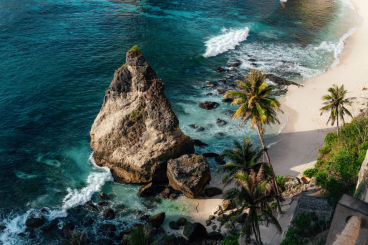
The beaches in Bali are all different from each other. In the south near Uluwatu and Padang Padang you get dramatic cliffs and stronger waves. Canggu has become hugely popular with digital nomads, surfers, and people who somehow work on laptops beside swimming pools all day. It’s trendy, maybe too trendy now depending on who you ask. Still, sunset at Echo Beach with live music and salty wind feels pretty amazing.
If you want quieter beaches, head toward Amed or Lovina in the north. The pace there feels slower, less polished, more local. Amed especially is popular with divers because the underwater world around Bali is incredible. Coral reefs, shipwrecks, colorful fish everywhere. Even people who never planned to dive sometimes end up trying it there.
Food in Bali deserves its own article honestly. You can eat very cheaply or spend absurd amounts in luxury restaurants. Local dishes like nasi goreng and mie goreng are everywhere. Warungs, small family restaurants, often serve the best meals. Sometimes you sit on plastic chairs near the road eating grilled chicken while scooters fly past and somehow the food tastes perfect.
Fresh fruit is another thing people remember. Mangoes, dragon fruit, papaya, pineapple, tiny bananas sweeter than the ones back home. Smoothie bowls became almost a Bali stereotype, but after walking around in tropical heat for hours, they actually hit the spot.
Transportation around Bali can be frustrating sometimes. Distances look short on maps but traffic changes everything. A twenty kilometer drive might take two hours on bad days. Many travelers rent scooters because it gives freedom, but roads can be dangerous if you’re inexperienced. Honestly, if you’re not comfortable driving in chaotic traffic, hiring local drivers is worth it.
And then there’s the hidden side of Bali. Waterfalls hidden in jungles. Tiny villages tourists rarely visit. Quiet mornings in Sidemen where clouds drift above rice fields and almost nobody is around. Those moments often become people’s favorite memories.
Bali isn’t perfect. Some beaches struggle with plastic waste. Traffic can feel exhausting. Tourism changed parts of the island heavily. But despite all that, Bali still has something magnetic about it. Maybe it’s the warmth of local people, maybe the smell of rain in the jungle, maybe just the strange feeling that time moves differently there.
You come for beaches and photos. But many travelers leave remembering smaller things instead. A quiet temple in the rain. A random roadside meal. The sound of scooters at night mixed with ocean waves somewhere in the distance.
That’s Bali really. Messy, beautiful, spiritual, overcrowded sometimes, unforgettable anyway.